
Light as in Weightlessness
The Akari is 75 years old, still handmade in Gifu, and still impossible to improve on.
Except for chopping onions and reading books, I’m anti-Big-Light. My partner jokes it takes 20 minutes to shut up the house at night because of all the lamps. He exaggerates, but I take no offence. On this cold and dark wintery week, I’ve been thinking even further about how artificial light should feel like something, not just function.
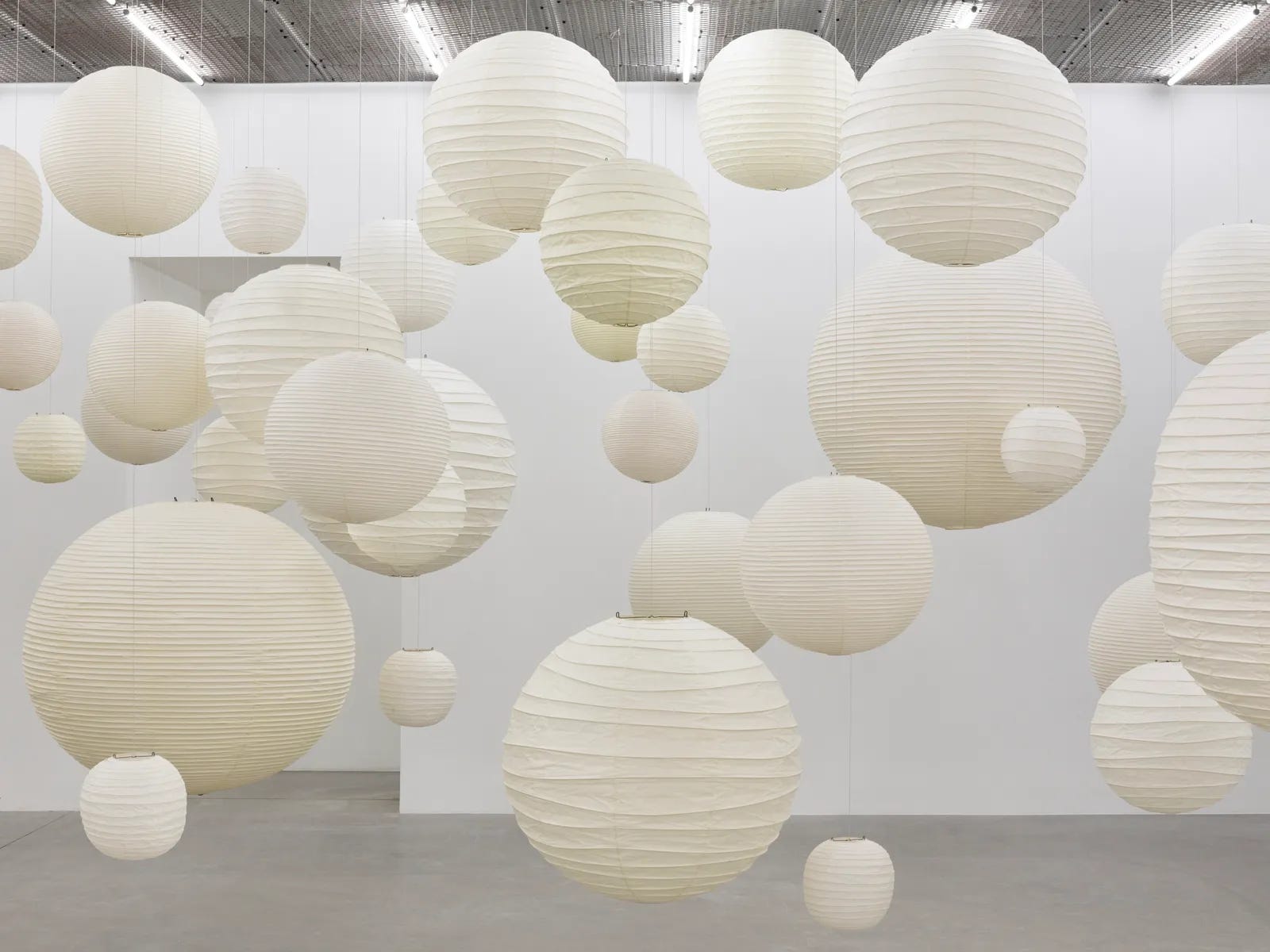
One of the design world’s favourite sources of this warm glow is the Akari.
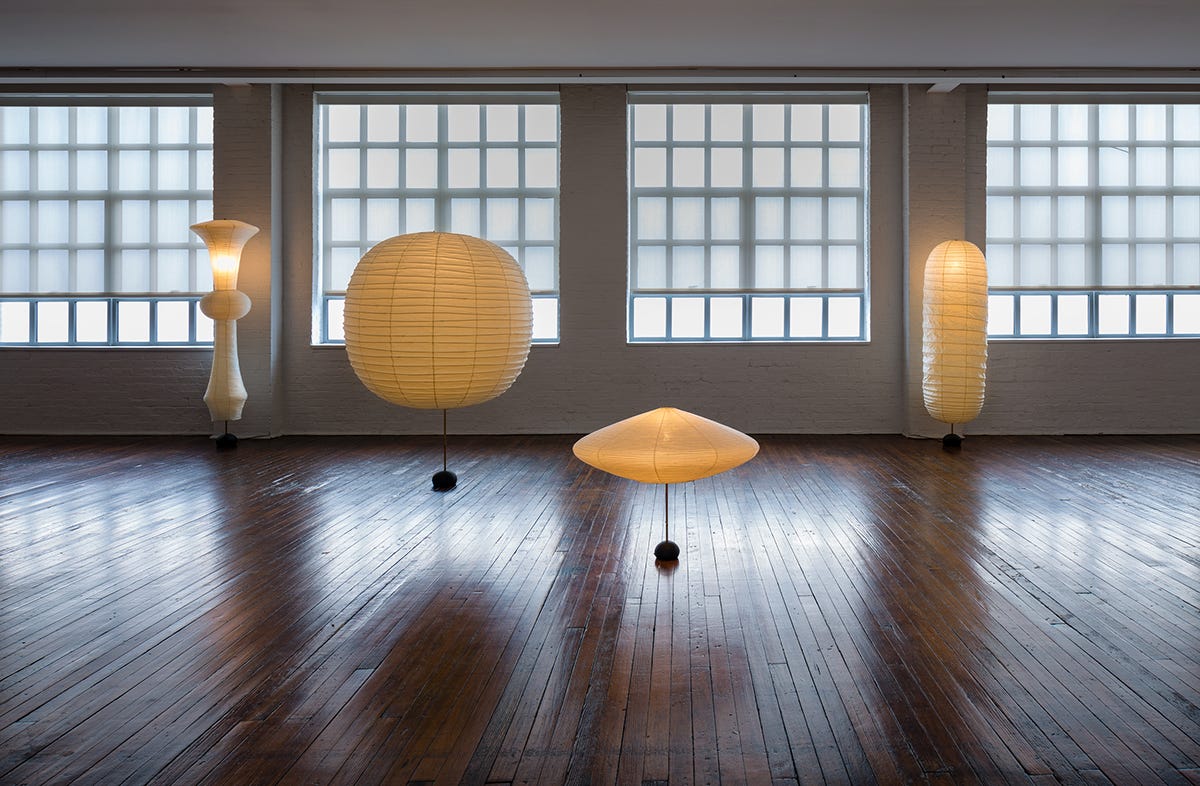
In the spring of 1951, in post-war Japan, American-Japanese sculptor Isamu Noguchi was travelling through Gifu on his way to Hiroshima. Gifu was traditionally the manufacturing city known for its paper lanterns and umbrellas, and as the story goes, “The mayor of Gifu, to whom Noguchi was introduced, appealed to him to help revitalise the lantern industry and offered him a commission.”1
Straight away, Noguchi wanted to re-design the traditional lanterns to use electricity instead of candles. His other innovation: flat-packing. The Akari lamps can be disassembled and collapsed for shipping.2
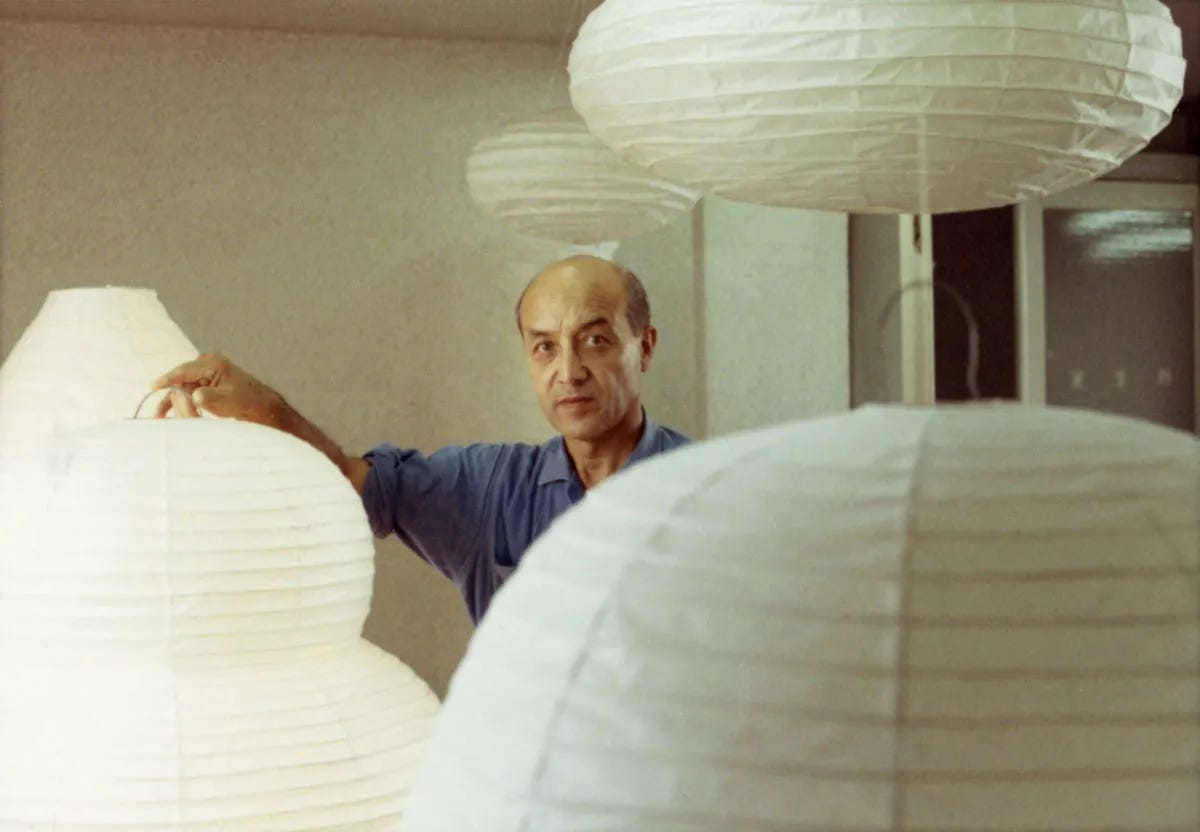
The result, he called “Akari”, which means “light” – as in illumination, glow – in Japanese. For Noguchi, it was also a play on words: light as in weightlessness. They were handcrafted by Ozeki & Co using traditional methods and materials, including mino, a paper that can be traced to the 8th century and is in itself designated as a UNESCO Intangible Cultural Heritage.
On release, the art world spent much time wringing its hands, trying to decide if this was art or design – “a distinction Noguchi sought to disrupt”.3 In fact, he saw his light designs as sculpture from the beginning.
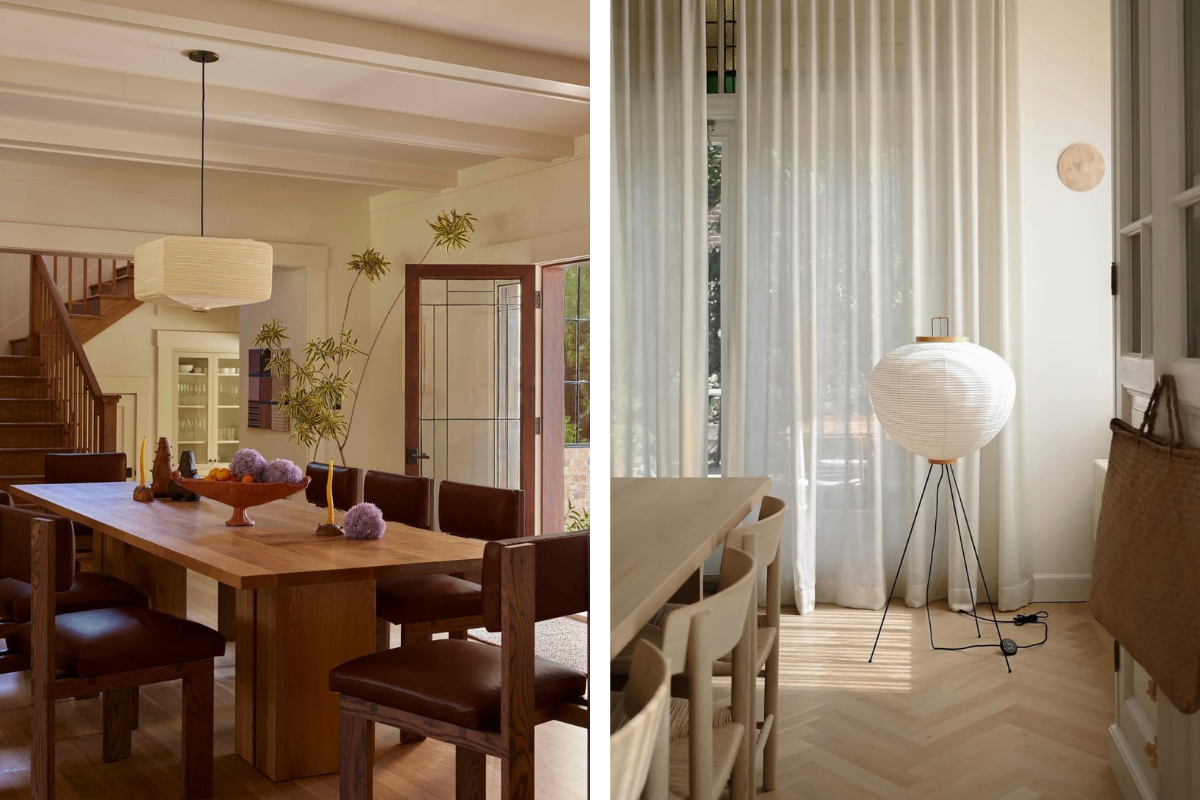
There are now over 200 Akari variations – ceiling lights, lamps, floor lights – more than 100 of which were designed within Noguchi’s lifetime. The handcrafted lights have become the archetype for “silent dialogue between Japanese tradition and modernity”4 since their inception, but perhaps more famously a “shorthand for taste but not flashiness”.5
Despite being copied around the world (most notably by IKEA), it remains an icon of mid-century design. There’s something about glowing light that changes a space, something that can’t be captured by a camera. A light that makes you pour another glass, stay a little longer, sink in a little deeper.
Further links you might enjoy:
The Strategist was doing the lord’s work when they asked 41 stylish people for a photo of them with their Akari at home. See them all here.
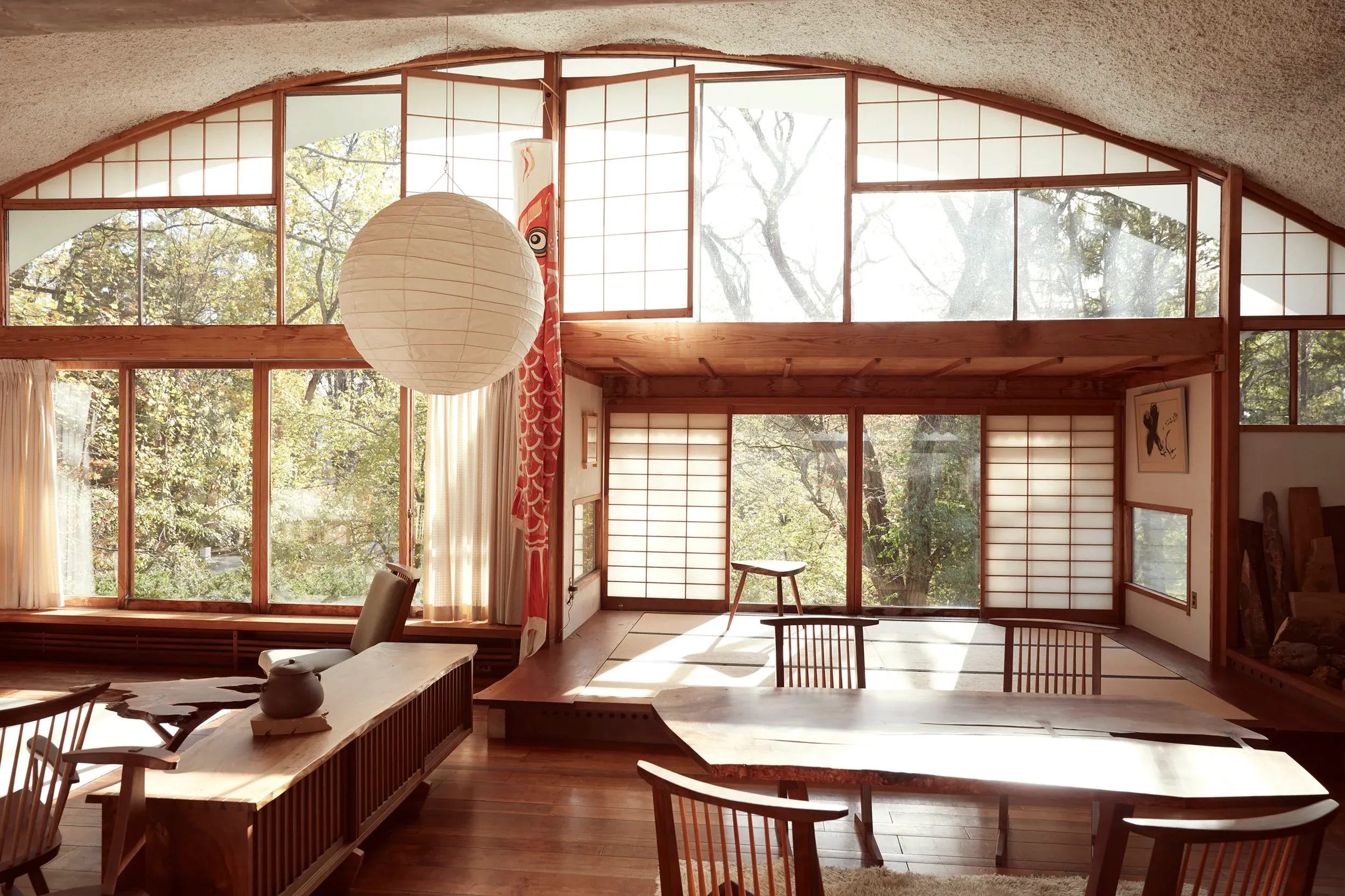
The inspiration for this short essay came from this Architectural Digest tour of George Nakashima’s home and workshop in Pennsylvania – which features the enormous Akari pictured above. See the full tour here.
If you find yourself in Kyoto, Gifu is less than two hours away. Spend a charming morning learning about and then making your own washi.
Matthew Kirsch, “The History of Akari Light Sculptures,” The Noguchi Museum. noguchi.org
“Akari Light Sculptures,” The Noguchi Museum. shop.noguchi.org
“How Noguchi Created an Icon,” Barbican, 30 September 2021. barbican.org.uk
“Craft x Tech: Artisan Workshops, Japan Design,” Domus, 15 May 2026. domusweb.it